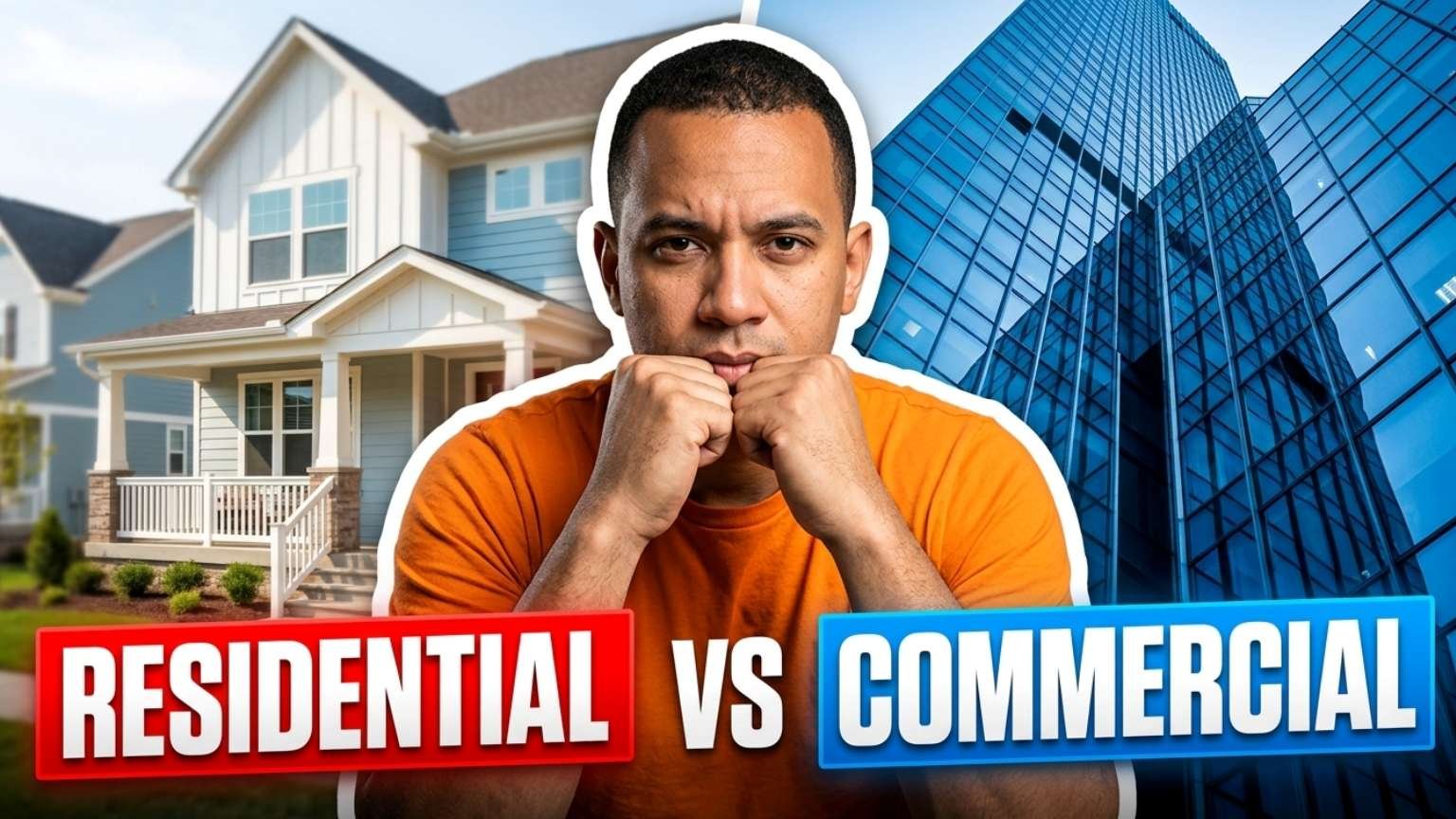
I’ve been tracking cleaning business performance for over a decade, and this question comes up constantly. Business owners want to know: Should I focus on homes or offices? The answer isn’t what most people expect.
The Real Profitability Difference
Let me be direct: Both can be profitable. The question isn’t which one makes money it’s which one fits your lifestyle and capabilities better.
I’ve seen residential cleaners earning excellent income with just 4-5 regular clients. I’ve also seen commercial operators building multi-million dollar operations. The difference isn’t the market. It’s execution.
Residential Cleaning: The Consistent Income Model
Residential cleaning works like this: A homeowner hires you for a weekly or fortnightly clean. They call you at the same time each week. You show up, do the work, and come back next week. It’s predictable.
Why Residential Works Well
Recurring revenue is powerful. If you have 15 regular clients on weekly schedules, that’s 15 cleans per week, predictable. You know your income next month. You know it in three months. This certainty matters when you’re running a business.
You build real relationships. Homeowners see you regularly. They learn to trust you. They’re not shopping around constantly for cheaper options. Loyalty is built through consistency.
Lower barriers to entry. You don’t need commercial-grade equipment or specialized certifications. Your car and basic supplies get you started. This means lower startup costs and faster cash flow.
Scheduling flexibility. Most residential clients want midweek cleans. You set days and times. It’s easier to organize your week around predictable schedules.
Less competition on quality. In residential, many competitors cut corners. When you’re genuinely good and reliable, you stand out. Your reputation becomes your marketing.
Where Residential Gets Tricky
It’s time-intensive. You’re literally trading hours for money. Once you hit capacity (maybe 5-6 homes per day), you can’t grow without hiring. And hiring means complexity.
Client acquisition is slow. You build one client at a time. Growth happens gradually through word of mouth and local presence, not large contracts.
Price sensitivity exists. Some residential clients shop around. They see cleaning as a commodity. You’re competing on price and reliability against other local cleaners.
Seasonal demand fluctuates. Summer brings spring cleans. Winter is quieter. You need financial reserves for slower months.
Commercial Cleaning: The Scalability Model
Commercial cleaning operates differently. Instead of one homeowner hiring you weekly, you have one building with multiple tenants, multiple buildings, or contract cleaning for large offices. The work is often contract-based.
Why Commercial Can Be Lucrative
Larger contracts mean bigger revenue. A single commercial contract might be worth what five residential clients pay monthly. Your time investment is similar, but income is higher.
Predictable volume. Commercial clients want consistent schedules often daily or multiple times weekly. Once you win a contract, you have guaranteed work.
Less direct competition on price. Commercial clients care about reliability and consistency, not just hourly rate. They’re buying peace of mind that their workspace is professionally maintained.
Easier to scale quickly. Instead of adding clients one at a time, you win a contract and suddenly double your revenue. This allows faster growth.
Higher barriers for competitors. Commercial contracts often require bonds, insurance, and established references. These barriers protect you once you’re established.
Potential for night work. Many office buildings need cleaning after hours. You can run day and night teams, maximizing equipment and vehicle usage.
Where Commercial Gets Complicated
Large upfront costs. You might need commercial equipment, vehicles, insurance bonds, and specialized cleaning agents. The startup investment is higher.
Client acquisition is different. You’re pitching to building managers and business owners, not homeowners. Sales processes are more formal. Winning a contract might take months of relationship building.
Contract negotiations matter. You’re dealing with written agreements, specific requirements, and sometimes unreasonable requests. One bad contract can eat your profits.
Staffing is essential. You can’t personally clean a large office building. You need reliable teams. Employee management becomes complex scheduling, training, quality control.
Seasonal challenges exist. Many commercial clients reduce services in slow business periods. You need consistent cash flow to cover fixed costs.
Quality mistakes cost more. A mistake at one home affects one client. A mistake at a large office affects dozens of tenants. One incident can cost you the entire contract.
Financial Reality Check
Let me paint realistic scenarios based on what I’ve observed:
Residential Scenario
You run residential cleans from home. Your car is your only vehicle initially. You personally clean 5-6 homes per week. Each clean takes 2-3 hours. You charge fair market rates.
After expenses (fuel, insurance, equipment), you’re earning reasonable income. You can sustain this alone without employees. Once you hit this capacity, growth requires hiring which changes your whole operation into a management role.
Commercial Scenario
You win a commercial contract for an office building. The contract is worth significant monthly value. You need two staff members to execute the work. You manage operations, handle client relationships, and ensure quality.
Your profit margin is lower per hour (because of labor), but the total contract value makes it worthwhile. You’re managing people instead of cleaning yourself.
The Profitability Question: Which Wins?
Here’s the honest answer: Residential is more profitable if you want to work less. Residential gives you consistent income without complex management. Your personal effort directly translates to income.
Commercials are more profitable if you want to grow. But growth means building a real business with employees, systems, and management responsibilities.
Most successful cleaning businesses don’t choose one. They do both. They start residential (easy entry, quick cash flow), then layer in commercial contracts (higher revenue, growth potential).
What Actually Determines Your Success
Profitability isn’t determined by whether you clean homes or offices. It’s determined by:
How reliable you are. Showing up on time, every time, matters more than price. Reliability commands loyalty.
How well you manage finances. Tracking expenses, pricing correctly, and keeping cash flow positive. Most business failures aren’t about lack of work, they’re about poor financial management.
How you treat people. Clients who feel respected recommend you. Employees who feel valued perform better. Respect compounds over time.
How seriously you take systems. Businesses with documented processes scale. Businesses run on memory and intuition stays small.
How you stay visible locally. Google My Business, word of mouth, community presence these drive consistent leads. You can’t succeed on inconsistent lead flow.
Strategic Recommendation
If you’re starting today, here’s what I’ve seen work best:
Start residential. Build 10-15 regular clients. Prove your systems work. Learn what profitability actually looks like in your area. Generate cash flow.
Then explore commercials. Once you understand your business, pitch to building managers and commercial properties. Commercials often require you to employ people; this is easier to do from a position of cash flow strength.
Keep residential as your base. Residential clients provide stability. Commercial contracts provide growth. Together, they create a resilient business.
The question “which is more profitable” assumes you must choose. In reality, the most profitable cleaning businesses do both. Residential keeps cash flowing while you build commercial contracts. Commercial drives growth while residential provides security.
Your success depends less on your market and more on your execution. Choose the path that matches your energy level and growth ambitions, then execute with excellence. That’s what separates profitable businesses from struggling ones.
Ready to Build a More Profitable Cleaning Business?
Whether you choose residential cleaning, commercial contracts, or a combination of both, long-term profitability comes down to strategy, systems, and execution.
The most successful cleaning business owners don’t guess their way through pricing, hiring, or growth. They build a business model designed for stable cash flow and scalable profits from the beginning.
We Can Help You:
- Identify the most profitable cleaning niche for your goals
- Create pricing strategies that protect your margins
- Build reliable systems for staff, scheduling, and quality control
- Win more residential and commercial clients consistently
- Scale your cleaning business without burning out
Whether you’re launching your first cleaning business or looking to grow beyond solo work, the right guidance can save you years of costly mistakes.