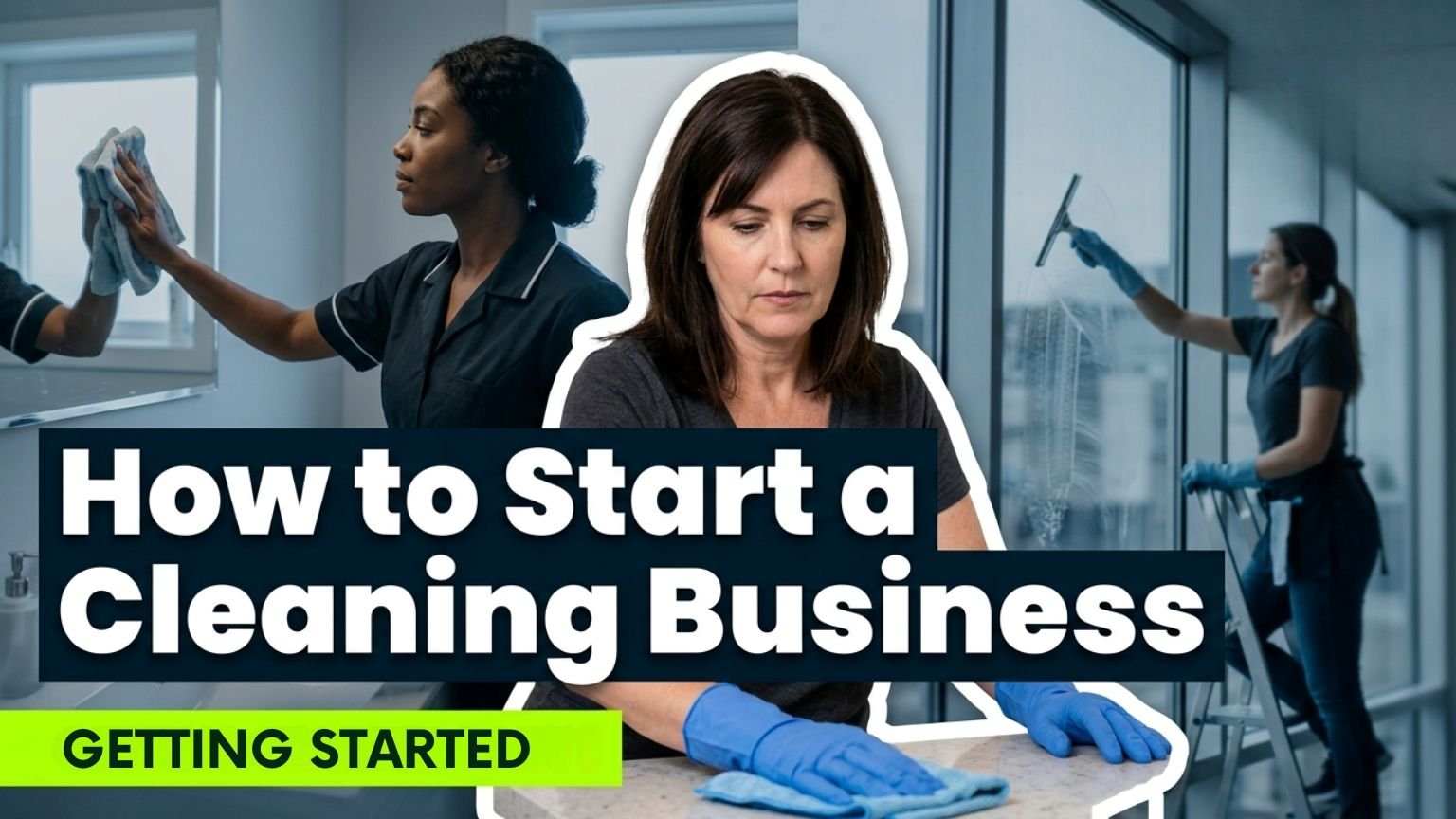
When I started helping businesses launch in 2014, the cleaning industry in NSW was changing fast. Today, it’s one of the most accessible businesses to start, and I want to share exactly what you need to know.
Understanding the NSW Market First
Before you invest anything, understand what you’re walking into. The cleaning industry in New South Wales isn’t just about hiring people with mops. It’s about systems, compliance, and relationships.
I’ve watched dozens of cleaning business owners start completely unprepared. The ones who thrived? They spent their first two weeks just understanding their local market, not building websites or buying equipment.
What Makes NSW Different
NSW has specific regulations that don’t exist in other states. Your business structure matters here. You need to understand ABN requirements, workers’ compensation insurance rules, and local council regulations specific to your area.
The inner west of Sydney operates differently than the Central Coast. Footscray cleaning rates differ from Parramatta. Don’t assume one model fits everywhere.
Register Your Business Properly
This is where most people stumble. You’ll need an ABN from the ATO. This takes about 10 business days, and you can apply online.
Here’s what happens next: You become either a sole trader, partnership, or company. Most cleaning businesses start as sole traders because it’s simpler. But as you grow and hire staff, you’ll want to explore company structures for liability reasons.
Workers’ compensation insurance is non-negotiable in NSW. If you employ anyone, even one person, you must have it. The cost varies, but businesses often underestimate this. Get quotes from multiple providers because prices vary significantly.
Public liability insurance protects you when something goes wrong at a client’s home or office. This is absolutely essential. I’ve seen businesses get sued over damaged furniture or broken windows, and without proper insurance, it becomes a nightmare.
Decide Your Cleaning Niche
This decision shapes your entire business. You’re competing with thousands of other cleaning services across NSW. Trying to be everything to everyone means competing on price with established players.
Residential Cleaning serves homeowners. It’s usually recurring work weekly or fortnightly cleans. The relationships are personal. You build loyalty because you’re in someone’s home regularly.
Commercial Cleaning works with offices, shops, and warehouses. The contracts are larger but require different approaches. You might work early morning or late night to avoid disrupting business.
Specialized Cleaning includes carpet cleaning, window cleaning, end-of-lease cleans, or post-construction cleaning. These often command higher rates because they require specific knowledge.
Your choice determines everything: your marketing approach, your equipment, your pricing, and your daily schedule.
Get Your Equipment Sorted
Don’t rush this. I’ve seen business owners buy expensive equipment before they even had clients. That’s backwards thinking.
Start small. A good vacuum, microfiber cloths, cleaning solutions, mops, and basic tools will cover most residential work. As clients request specific services, expand your equipment.
For commercial work, you might need commercial-grade equipment that lasts longer and performs better. This is worth the investment when you have consistent contracts.
Your vehicle matters too. It needs to be reliable and clean (obviously). You’re representing your brand every time someone sees your van. As you grow, branded vehicles become part of your marketing.
Building Your First Clients
This determines whether your business survives the first year. Most cleaning businesses fail not because they can’t clean, but because they can’t find clients.
Word of mouth works best. Tell everyone you know. Friends, family, neighbors start there. Offer to clean for someone you know at a lower rate in exchange for honest feedback and referrals. One happy client tells their friends. One bad experience tells everyone.
Local Facebook groups are gold. Post in your suburb’s Facebook community group. People are actively looking for services there. Respond quickly and professionally.
Google My Business is essential. Claim your business on Google. This is free and shows up in local search results. NSW residents searching “cleaner near me” will find you here.
Nextdoor app connects you with neighbors in your area. It’s a platform specifically for local recommendations.
Ask for referrals explicitly. After completing a job well, ask: “Would you mind recommending me to your friends?” Make it easy by giving them your business card or a simple message to share.
Don’t spend money on paid advertising until you have systems in place. Too many new business owners waste money on ads before they can handle the client volume.
Pricing Your Services Right
This trip up new business owners constantly. You need to cover your time, travel, equipment wear, taxes, and insurance.
Calculate your hourly rate by working backward. What do you need to earn monthly? Add all expenses: vehicle, insurance, equipment, tax. Divide by realistic working hours. This is your minimum hourly rate.
Don’t undercut established businesses just to get started. You’ll train customers to expect low prices, making it impossible to raise rates later. Charge fair market rates from day one.
Different services command different rates. A routine weekly clean differs from an intensive spring clean or a specialized service. Your pricing should reflect this.
Hire Your First Team Members
You’ll reach a point where you can’t clean more homes or offices if you’ve hit your personal capacity. This is exciting because it means growth, but it’s also when most owners make mistakes.
Hire slowly. Your first employees are crucial. They represent your business. A bad hire damages your reputation faster than anything else.
Check references seriously. Ask about reliability, attention to detail, and how they handle problems. These matter more than cleaning experience. You can teach technique, but attitude is harder to change.
Training matters massively. Invest time in showing your systems and standards. When employees understand why you do things a certain way, quality stays consistent.
Compliance and Regulations
In NSW, certain things are non-negotiable:
Payroll taxes apply once you employ people. The threshold changes, so check current rates.
Superannuation is mandatory for employees earning over a threshold. This is their retirement savings, and employers must contribute.
Work health and safety rules apply to your business. You need to manage risks like slips, chemical exposure, and repetitive strain injuries.
Record keeping isn’t glamorous, but it protects you. Keep records of client agreements, insurance policies, employee hours, and financial transactions.
Your First Year Expectations
Be realistic. Most cleaning businesses take 6-12 months to establish a solid client base. You’ll likely clean alongside your employees for the first year or two.
Expect to work long hours, handle all administration, manage finances, and problem-solve constantly. It’s not passive income, it’s a job that you own.
But here’s the reality: Once you build systems and hire good people, cleaning businesses can scale reasonably well. You can eventually step back from the day-to-day cleaning.
Key Takeaways for NSW Owners
Start with proper registration and insurance. Don’t skip this.
Choose your niche carefully. Trying to do everything spreads you too thin.
Find your first clients through personal networks and local community platforms, not paid ads.
Charge fair rates from the beginning. You’re building long-term relationships, not winning a race to the bottom.
Hire slowly and deliberately. Your team is your business.
Keep good records. Compliance might seem tedious, but it saves you later.
The NSW cleaning market is full of opportunities, but success requires more than just being good at cleaning. It requires understanding business, managing people, and building relationships. Start here, and you’ll build something sustainable.
Ready to Start Your Cleaning Business in NSW?
Starting a cleaning business is one thing. Building one that lasts is another.
If you’re serious about launching a profitable cleaning business in NSW, don’t waste months figuring everything out through trial and error. The right systems, pricing strategy, insurance setup, and client acquisition plan can save you thousands in mistakes.
Whether you’re starting solo or planning to build a full team, getting expert guidance early makes the process faster and far less stressful.
Here’s Your Next Step:
- Get clarity on business registration and compliance
- Learn how to price your services profitably
- Build a client acquisition strategy that actually works
- Set up systems that help you scale sustainably
Need help getting started?
Contact us today for a free consultation and discover how to launch your NSW cleaning business with confidence.