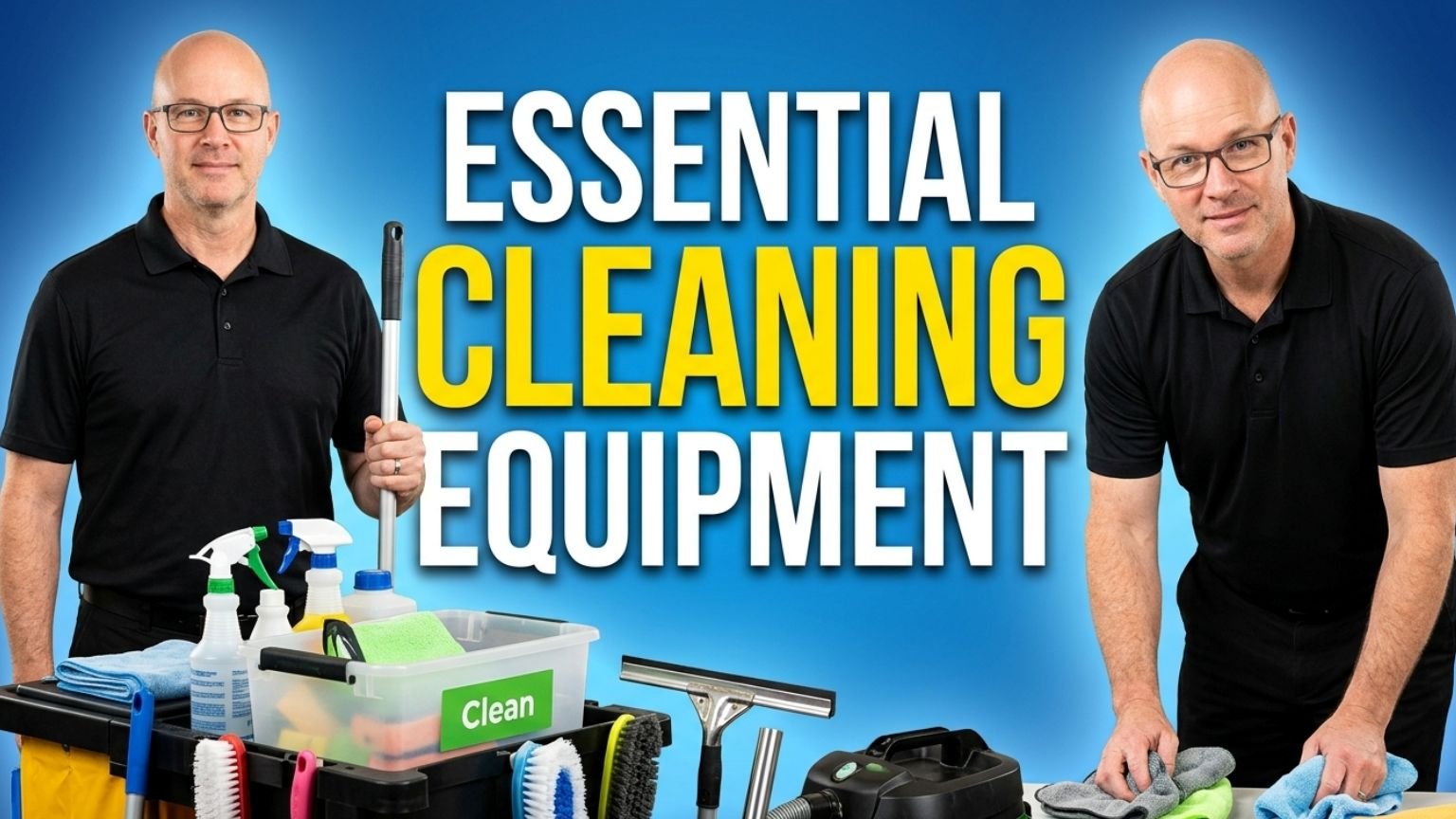
I’ve consulted with cleaning businesses for over ten years, and one thing I’ve learned: Most new owners buy equipment all wrong. They either spend too much on things they don’t need, or they cheap out on essentials and waste time dealing with broken equipment.
This guide is about buying smart, not buying everything.
Start with This Mindset
Equipment purchases should follow business growth, not precede it. You don’t need everything before your first client. You need enough to deliver excellent service, and nothing more.
I’ve watched new owners spend thousands on equipment they used twice. Then I’ve watched them struggle because they skimped on a quality vacuum and their clients noticed dust on carpets.
Here’s the principle: Buy the best version of what you’ll use constantly. Buy adequate versions of what you’ll use occasionally. Don’t buy anything you’re not sure about.
Vacuums and Floor Cleaning
A vacuum is your workhorse. It’s used on almost every job. This deserves your investment.
For residential work, you need a reliable upright or backpack vacuum. Upright vacuums are efficient for large areas. Backpack vacuums are better if you’re cleaning stairs or multi-level homes regularly.
Don’t get the cheapest option. When a vacuum breaks mid-job, you can’t postpone client cleans. It’s reputation damage. A good vacuum lasts years and handles constant use. This is where quality justifies cost.
For commercial work, commercial-grade vacuums are necessary. They’re built for intensity and handle constant use in demanding environments. They’re louder, more powerful, and last longer than residential models.
Mop systems depend on your niche. For regular home cleaning, a basic mop and bucket works fine. For larger areas or commercial spaces, a mop trolley system saves time and keeps water cleaner longer.
Microfiber mops are better than traditional cotton. They actually clean better, dry faster, and last longer. They seem pricier initially, but they outlast cheaper options.
Floor cleaning machines (like orbital floor cleaners) are optional initially. They’re useful for deep cleans or large tiled areas, but they’re also expensive. Wait until you have regular clients requesting this service before investing.
Cleaning Solutions and Chemicals
This is where knowledge matters more than spending.
You don’t need a different product for every surface. Multi-purpose cleaners handle most jobs. Specialized products (window cleaner, toilet bowl cleaner, etc.) exist, but you can accomplish most work with fewer products.
Basics that work:
- General-purpose multi-cleaner (safe for most surfaces)
- Disinfectant (for bathrooms and kitchens)
- Glass cleaner (for windows and mirrors)
- Toilet bowl cleaner
- Floor cleaner appropriate for your area’s floor types
Don’t buy the most expensive brands immediately. Find products that work well at reasonable costs. You’ll adjust based on client feedback.
Storage matters. Keep chemicals properly stored away from living areas, clearly labeled, in appropriate containers. This is both safety and compliance.
Bulk buying saves money. Once you know what you’re using, buy in bulk. Costs drop significantly when you buy concentrate rather than ready-made solutions.
Hand Tools and Supplies
These are the items you’ll need constantly:
Microfiber cloths are essential. They’re more effective than cotton rags, reusable, and cost-effective. Buy several dozen. They’re durability means you get excellent value.
Squeegees and window scrapers for glass and window work. Quality squeegees give better results than cheap ones.
Brushes toilet brushes, grout brushes, surface brushes for different tasks. Having the right brush for each job is important.
Dustpans and brooms for basic sweeping. These are simple but necessary.
Extension poles and telescopic handles let you reach high areas without ladders. They’re essential for windows, ceilings, and upper shelves.
Buckets in different sizes, one for general cleaning solutions, one specifically for disinfectant. This prevents cross-contamination.
Gloves protect your hands. Get varied sizes so you’re always comfortable.
Aprons or tool belts keep supplies accessible and your clothes clean. This seems small, but it actually improves efficiency.
Safety and Protection
This isn’t optional:
Safety glasses protect eyes from splashes when mixing or using chemicals.
Respiratory protection if you’re using any harsh chemicals or working in dusty environments. Don’t underestimate this.
Slip-resistant shoes for wet environments. Slips and falls are common in cleaning work.
Cleaning gloves that actually fit and don’t leak. Quality matters here.
First aid kit for minor cuts or burns.
High-visibility clothing or reflective gear if you’re working early morning or evening.
This isn’t just about comfort, it’s about not getting injured and being able to work consistently.
Your Vehicle
Your vehicle is part of your equipment investment:
It must be reliable. A breakdown means you can’t reach clients. Missed appointments damage reputation.
It must be clean. Your vehicle represents your brand. A dirty van suggests a dirty cleaning service. This matters.
Storage matters. You need space for equipment, supplies, and client belongings. A small van works initially, but you’ll appreciate larger space as you grow.
Fuel costs are real. Factor vehicle costs (fuel, maintenance, insurance) into your pricing.
You don’t need a new vehicle. A reliable used vehicle is fine. You need something that works and can hold your equipment.
Nice-to-Have Later
Don’t buy these initially, but they become valuable as you grow:
Steam cleaning machines for deep carpet and upholstery work. These let you offer premium services and command higher rates.
Pressure washers for outdoor surfaces, driveways, and building exteriors. Not every cleaning business needs this, but it’s valuable if your market includes this work.
Tile and grout cleaning equipment for specialized cleaning. This is an add-on service, not a necessity.
Commercial-grade air purifiers or humidifiers if you’re doing specialized work.
These are profitable add-ons once you have a solid client base and understand demand for these services.
The Budget Reality
Let me be practical about this:
You can start a residential cleaning business with quality equipment for a reasonable investment. You need a good vacuum, basic tools, cleaning supplies, protection gear, and a reliable vehicle. If you already have a vehicle, your startup equipment costs are manageable.
As you grow and hire staff, equipment costs increase. Each team member needs their own equipment. Commercial work requires different equipment than residential. Scale requires investment.
But you don’t need everything before you start. You need enough to deliver excellent service. Build from there.
Buying Decisions That Actually Matter
Buy once, buy right on items you use daily (vacuum, mop system, basic tools). These compounds over time. A quality vacuum saves frustration and time.
Experiment with consumables before buying bulk. Try cleaning solutions on real jobs. Find what works in your actual market before committing to bulk purchases.
Buy protection gear without hesitation. Your health is your business. Safe working conditions aren’t optional.
Wait on specialty equipment until clients request it. Don’t buy a steam cleaner because you think you’ll need it. Buy it when you have consistent clients asking for steam cleaning.
Track what you actually use. Keep notes on what equipment proves valuable and what sits unused. This information guides future purchases.
Maintenance Extends Life
Good equipment properly maintained lasts longer and works better:
Clean your vacuum regularly. Empty bags or clear clogged filters. This keeps suction strong.
Maintain your vehicle. Regular servicing prevents breakdowns. Your vehicle is critical to your business.
Dry and store equipment properly. Wet mops and clothes develop mildew. Dry storage extends life.
Replace worn tools. A worn brush doesn’t clean as well. Replace it.
Keep solutions sealed. Improper storage reduces effectiveness.
The small discipline of maintenance saves money over time.
The Equipment Question: Final Thoughts
Success in cleaning isn’t about having the most equipment. It’s about having the right equipment and using it well.
A professional with limited but quality equipment will outperform someone with lots of cheap equipment every time. Your client cares that their home is clean and you’re reliable; they don’t care how many products you own.
Start learning. Buy quality for daily-use items. Learn what your market needs. Expand from there.
The businesses that survive and thrive in cleaning aren’t the ones with the most equipment. They’re the ones with solid systems, reliable service, and smart purchasing decisions. That’s where real profitability comes from.
Start with the essentials. Execute excellently. Then grow thoughtfully. That’s the path that works.
Ready to Equip Your Cleaning Business the Right Way?
The right equipment can save you time, improve your results, and protect your profits. The wrong purchases can drain your budget before your business even gains momentum.
Whether you’re starting a residential cleaning service or planning to grow into commercial contracts, smart equipment decisions matter from day one.
We Help Cleaning Businesses:
- Choose the right equipment without overspending
- Avoid costly beginner mistakes
- Build efficient cleaning systems that scale
- Select products and tools suited to their niche
- Create profitable operations with lower overheads
You don’t need every tool on the market you need the right setup for your business stage and goals.
Contact us today and start your cleaning business with the right systems, tools, and strategy behind you.