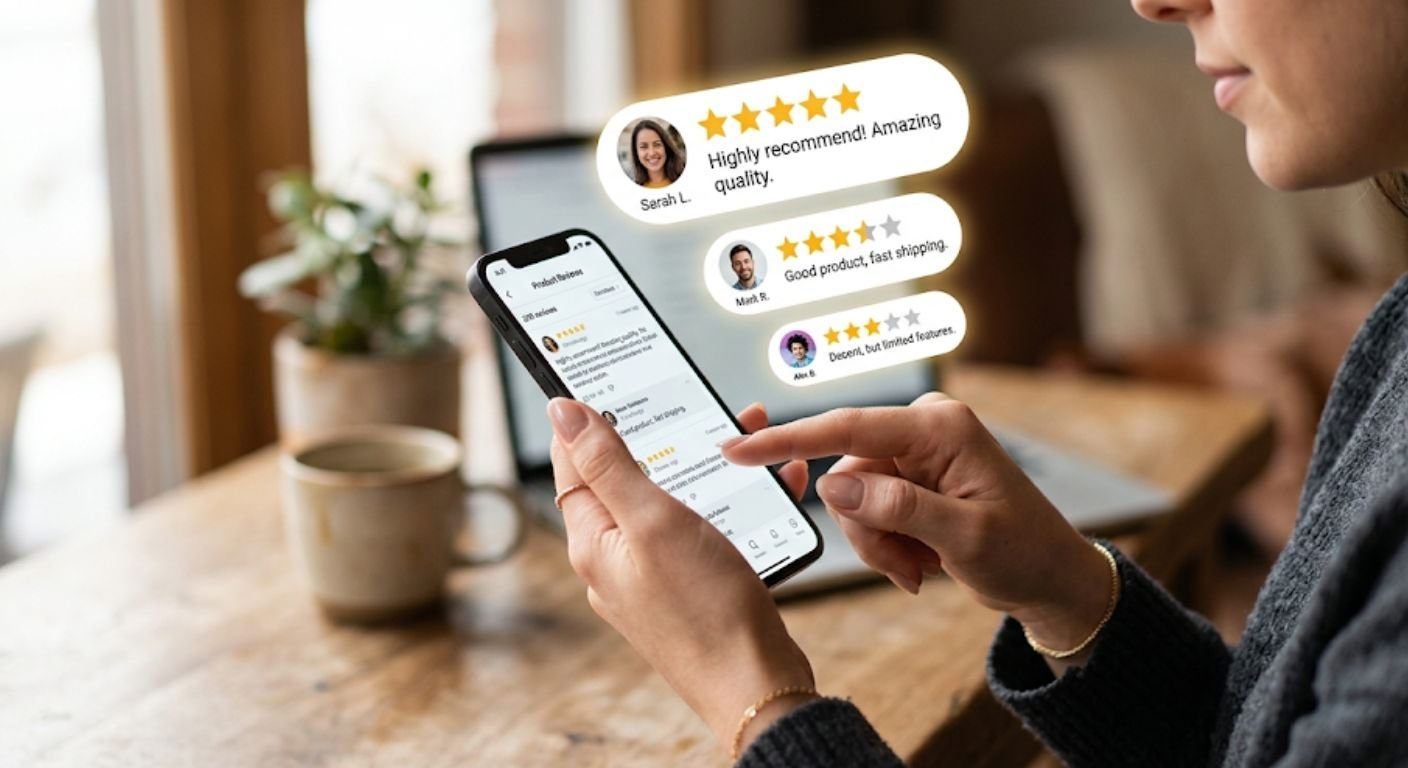
If you run a local business, online reviews can make or break your reputation. Knowing how local businesses can get more reviews online is one of the most important skills in today’s digital marketplace. Studies consistently show that more than 90% of consumers read online reviews before visiting a local business, and nearly 80% trust them as much as a personal recommendation.
Yet most business owners have no clear strategy for collecting reviews. They wait, hope, and wonder why competitors with fewer customers seem to have hundreds of five-star ratings. The good news? Getting more reviews is entirely learnable. This guide walks you through practical, proven methods to build your online reputation starting today.
Why Online Reviews Matter More Than Ever for Local Businesses
Online reviews are not just social proof; they are also a local SEO ranking factor. Search engines like Google use review quantity, recency, and overall rating to decide which businesses appear in the Local Pack (the top three map results).
A business with 200 recent reviews will almost always outrank one with 20 old reviews, even if the older business has been around longer.
Beyond rankings, reviews build trust. A potential customer who sees detailed, genuine reviews from real people is far more likely to walk through your door. They reduce purchase anxiety, answer unspoken questions, and act as free word-of-mouth marketing.
How Local Businesses Can Get More Reviews Online: 8 Proven Strategies
The following strategies are straightforward, ethical, and highly effective. You do not need a big budget, just consistency and a genuine commitment to customer experience.
1. Simply Ask at the Right Moment
The single most effective tactic is also the simplest: ask your customers directly. The best time to ask is right after a positive experience when a customer compliments your service, thanks your team, or expresses satisfaction.
Train your staff to say something like:
“We’re so glad you enjoyed your experience! Would you mind leaving us a quick Google review? It means the world to us.”
Keep it natural, brief, and genuine, never pushy.
2. Optimise Your Google Business Profile
Make it as easy as possible for customers to leave a review. Claim and fully complete your Google Business Profile
Generate a short review link from your profile and share it everywhere:
- Receipts
- Menus
- Business cards
- Your website
A direct link removes all friction. Instead of customers having to search for your business, they tap a link and land straight on the review form.
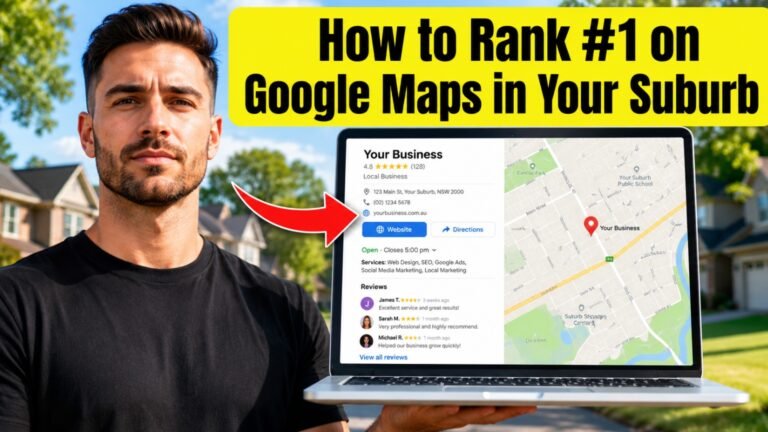
For better visibility in local search, you can also learn how to rank your business on Google Maps in NSW
3. Send a Follow-Up Email or SMS
After a transaction, send a brief, friendly message thanking the customer and including your review link.
Keep the email short; three sentences are enough.
SMS messages often perform even better for mobile-first audiences because they typically have an open rate above 90%.
You can automate this using platforms like:
Set a trigger so every customer receives a review request 24–48 hours after their visit or purchase.
4. Use QR Codes In-Store
Print QR codes that link directly to your Google review page and place them:
- At the counter
- On tables
- On packaging
- At the exit
Add a simple call-to-action such as:
“Enjoyed your visit? Scan to share your review!”
QR codes convert the physical experience into an online action in seconds.
5. Respond to Every Review, Including Negative Ones
Responding to reviews signals to future reviewers that their feedback will be seen and appreciated.
When customers know you actually read reviews, they are more motivated to write one.
For negative reviews:
- Respond calmly
- Acknowledge the issue
- Offer a solution
Professional responses demonstrate integrity and build trust with future customers.
6. Share Reviews on Social Media
When you feature customer reviews on platforms like Instagram or Facebook, you create a powerful feedback loop.
Other customers see that reviews are noticed and shared, which motivates them to leave their own.
Create simple graphics using Canva to showcase your best reviews.
If customers agree, tag them in the post to increase engagement.
7. Incentivise (Without Violating Platform Rules)
Important: You cannot offer money, discounts, or gifts in exchange for positive reviews. This violates policies on platforms like Google and Yelp.
However, you can still encourage participation.
For example:
Run a monthly prize draw where anyone who leaves an honest review is entered.
The key distinction: you reward the act of reviewing, not the rating itself.
8. Diversify Across Multiple Review Platforms
While Google reviews are most important for local SEO, do not ignore other review platforms such as:
- Yelp
- Facebook Reviews
- TripAdvisor
- Trustpilot
A strong presence across multiple sites protects your reputation and reaches different audiences.
Common Mistakes Local Businesses Make With Online Reviews
Avoid these pitfalls when building your review strategy:
- Buying fake reviews — this risks account suspension
- Ignoring reviews entirely
- Only asking happy customers
- Forgetting to update review links
- Not monitoring new reviews
Tools like BrightLocal can help monitor new reviews across platforms.
Quick-Start Review Checklist for Local Businesses
Use this checklist to start collecting reviews this week:
- Claim and complete your Google Business Profile
- Generate your Google review link
- Create a QR code for in-store use
- Write a simple review request email template
- Automate follow-up messages
- Respond to all existing reviews
- Share a customer review on social media
- Set up review monitoring alerts
Understanding how local businesses can get more reviews online is not complicated but it does require consistency and intentionality.
Every satisfied customer you serve is a potential five-star review waiting to happen.
Start small. Choose two or three strategies from this guide and implement them this week.
Within 30 days, you’ll likely see your review count grow, along with your local search rankings, credibility, and customer base.