Running a small business in Australia means wearing about ten different hats at once. You’re the owner, the accountant, the customer service rep, and somehow also the marketing department. The good news is that you don’t need a big budget to market your business properly. There are genuinely useful free tools out there that can help you get found online, manage your reputation, and stay in touch with customers, without spending a cent.
Here’s a rundown of tools we recommend to local businesses across NSW and beyond, based on what actually moves the needle in 2026.
1. Google Business Profile
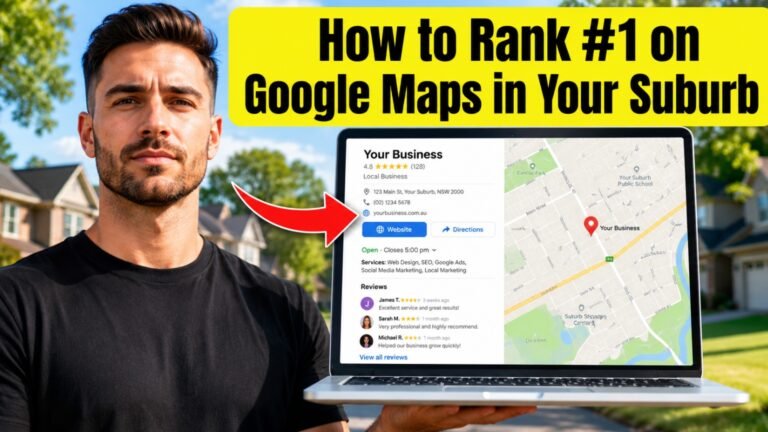
If you only do one thing from this list, make it this one. Your Google Business Profile (formerly Google My Business) is how your business shows up when someone searches for “plumber near me” or “best cafe in [your suburb]”. It’s free, it takes about twenty minutes to set up properly, and it’s often the very first impression a customer gets of your business.
Make sure your business name, address, phone number, hours, and categories are accurate and complete. Add photos regularly, respond to questions, and post updates when you have something worth sharing, like new stock, seasonal hours, or a special offer. Google rewards profiles that are active and well maintained, and customers trust them more too.
2. Google Search Console
This one is more behind-the-scenes, but it’s incredibly valuable. Google Search Console shows you how your website is performing in search results: which pages are getting clicks, what people are searching for to find you, and whether Google has run into any technical issues crawling your site.
For Australian small businesses, this tool helps you spot opportunities you didn’t know existed. Maybe people are finding your bakery by searching for “gluten free cakes [your suburb]” even though that’s not a page you’ve specifically built. That’s a sign to create content around it.
3. Canva
Canva has become the go-to design tool for small business owners who don’t have a graphic designer on staff. The free version is more than enough for creating social media posts, flyers, simple logos, presentations, and even basic videos.
The templates are genuinely well designed, and you can keep your brand colours and fonts saved so everything looks consistent. For a local business wanting to promote a sale, a new menu item, or an event, Canva makes it easy to put something professional together in minutes.
4. Mailchimp (Free Plan)
Email marketing still works, especially for small businesses with a loyal local customer base. Mailchimp’s free plan lets you build a mailing list, design simple newsletters, and send updates to customers who’ve opted in.
This is particularly useful for businesses like cafes, salons, retail stores, and trades, where repeat customers are the backbone of the business. A monthly newsletter with updates, tips, or offers keeps you front of mind without being pushy.
5. Meta Business Suite
If your business has a Facebook or Instagram page, Meta Business Suite helps you manage both from one place. You can schedule posts in advance, reply to messages and comments, and get a basic sense of how your content is performing.
For local businesses, social media is often where customers go to check you’re “real” before they visit or book. Regular posts showing your products, your team, or your day-to-day work build trust with people in your area.
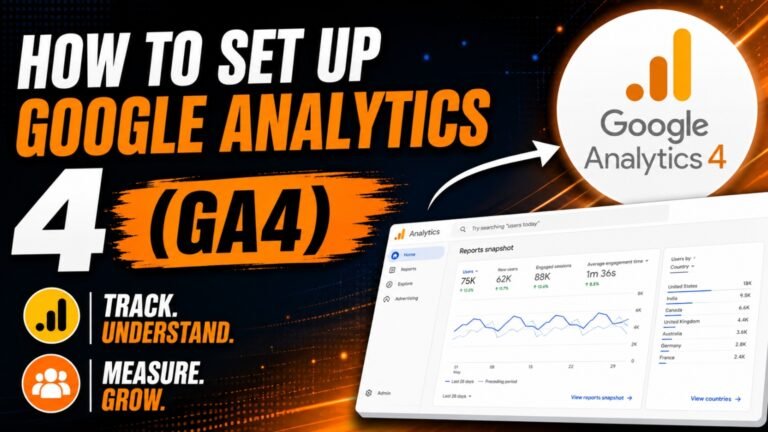
6. Google Analytics
Google Analytics gives you a picture of who’s visiting your website, where they’re coming from, and what they’re doing once they get there. It can feel a bit overwhelming at first, but even checking it once a month gives you useful insights.
For example, if you notice most of your website visitors are on mobile phones, that’s a strong signal your site needs to work well on smaller screens. Or if a particular blog post is bringing in a lot of traffic, that tells you what topics your audience cares about.
7. Ubersuggest (Free Tier)
Keyword research sounds technical, but it really just means understanding what words and phrases your potential customers are typing into Google. Ubersuggest’s free tier lets you check search volume for keywords relevant to your business and area, and see what your competitors might be ranking for.
This helps you write website content and blog posts that actually match what people are searching for, rather than guessing.
8. Linktree
If you’ve ever wanted to share more than one link in your Instagram or TikTok bio, Linktree solves that problem. It creates a single landing page with multiple buttons, so you can send people to your website, your booking page, your latest blog post, and your social profiles all from one spot.
It’s a small thing, but it makes it much easier for people discovering you on social media to take the next step.
9. Trello
While not strictly a marketing tool, Trello is brilliant for planning your marketing activities. You can set up a simple board with columns like “Ideas”, “In Progress”, and “Posted” to keep track of social media content, blog topics, and campaigns.
For a small business owner juggling everything themselves, having a visual plan stops marketing from becoming an afterthought that only happens when there’s spare time, which usually means it never happens at all.
10. AnswerThePublic
This tool is great for content ideas. You type in a topic related to your business, and it shows you the actual questions people are asking online about that topic. For example, a local plumber might discover people are searching “how often should I service my hot water system” or “why is my tap dripping”.
These questions make perfect blog post topics. They’re things your customers genuinely want to know, and answering them on your website helps you show up in search results while also building trust before someone even contacts you.
Putting It All Together
None of these tools work miracles on their own, and that’s okay. What matters is consistency. A business that shows up regularly on Google, keeps its profile updated, posts useful content, and responds to customers will always do better than one that sets things up once and forgets about them.
Start with Google Business Profile and Google Search Console if you do nothing else. These two give you the clearest picture of how customers are finding you, and they’re the foundation everything else builds on. From there, pick one or two more tools that fit naturally into how you already work, and build the habit slowly. Marketing doesn’t need to be complicated or expensive. It just needs to be consistent.