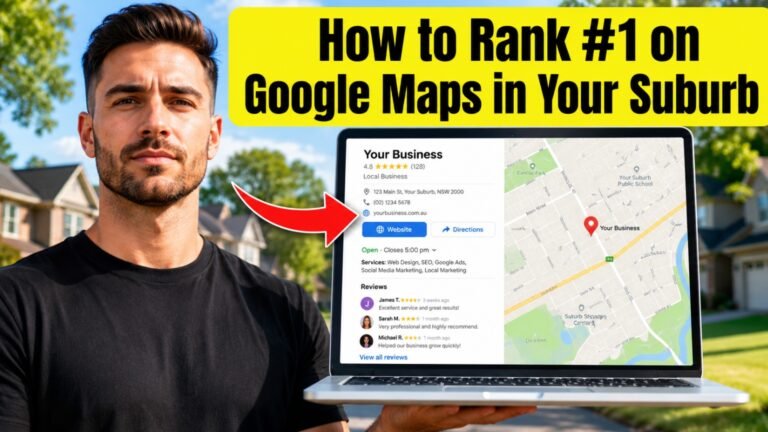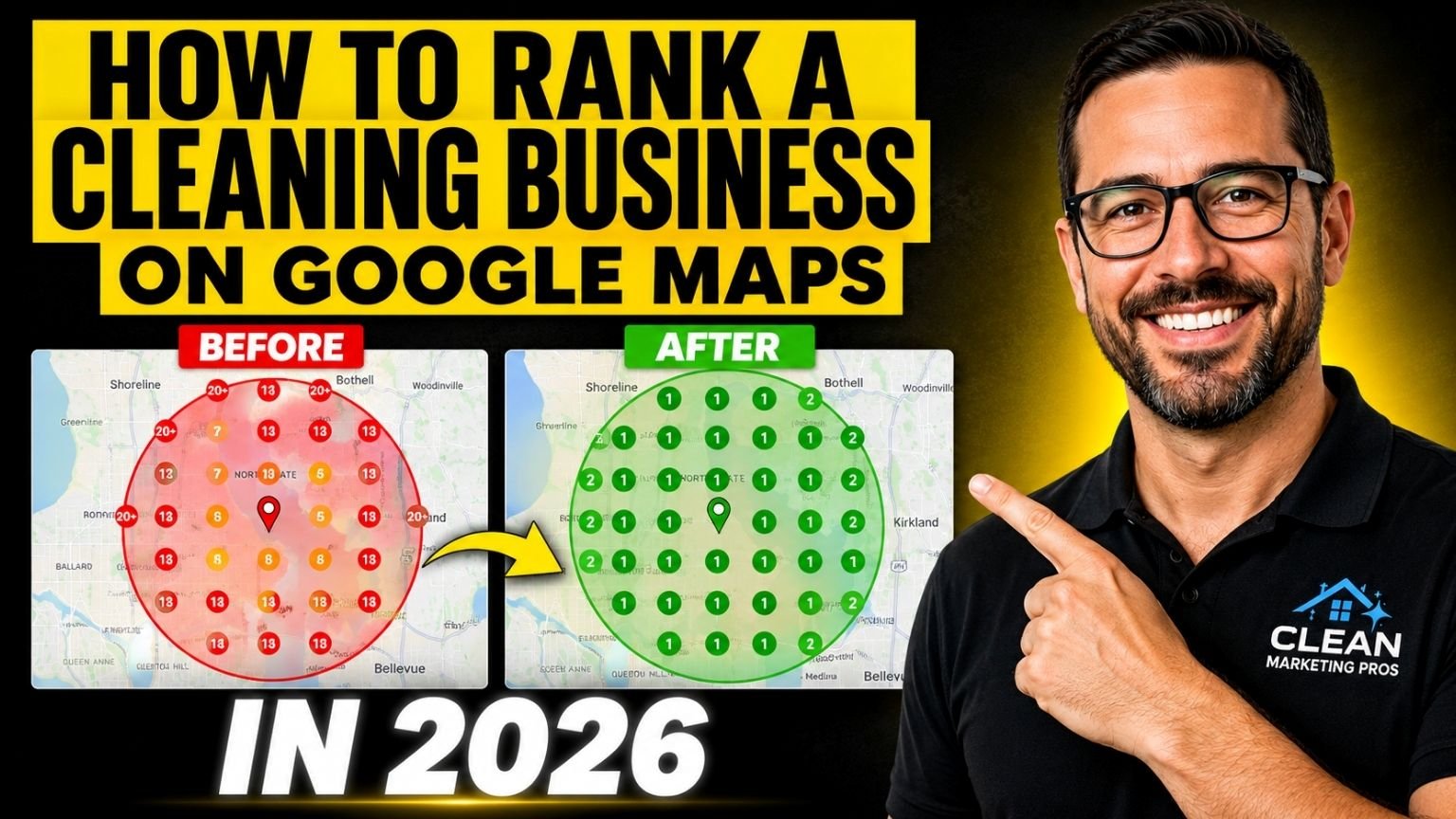
When someone in your area types “cleaning company near me” or “office cleaners Sydney” into Google, the first thing they see is a map with three businesses listed. That little box called the Local Pack drives a massive amount of phone calls, website visits, and bookings.
If your cleaning business isn’t showing up there, you’re handing those jobs to your competitors.
The good news is that ranking on Google Maps isn’t some dark art. It comes down to a handful of things you can control. This guide walks you through exactly what works in 2026 based on how Google’s local algorithm actually behaves right now, not tips that were relevant three years ago.
Understand How Google Decides Who Ranks
Before doing anything, it helps to understand what Google actually looks at when ranking local businesses. There are three main factors:
Relevance
How well does your business match what someone searched for? If someone searches “end of lease cleaning,” does your profile make it obvious that’s what you do?
Distance
How close is your business to the person searching? You can’t control where your clients are, but you can control where your business is verified and how your service areas are set.
Prominence
How well-known and trusted is your business online? This includes reviews, backlinks, citations, and overall online presence.
Everything you do to improve your Google Maps ranking will connect to one of these three factors.
Step 1: Claim and Fully Complete Your Google Business Profile
This is the foundation. If your Google Business Profile (GBP) is incomplete, nothing else will help as much as it should.
Go to Google Business Profile and make sure everything is filled in not just the basics.
Your business name should match exactly how it appears on your website and other directories. Don’t stuff keywords into your business name. Google has gotten much better at catching this, and it can get your listing suspended.
Your category selection matters more than most people realise. Choose the most specific primary category that fits “House Cleaning Service,” “Commercial Cleaning Service,” or “Janitorial Service” depending on what you mainly do. Then add secondary categories for the other services you offer.
Write a proper business description. This isn’t the place for generic sentences about being “professional and reliable.” Use it to clearly explain what you do, who you serve, what areas you cover, and what makes you different. Keep it natural and specific.
Add your service areas. Google lets you define the suburbs or regions you serve. Be accurate adding areas where you don’t really operate won’t help and may hurt your relevance signals.
Upload real photos. Not stock images. Actual photos of your team, your equipment, your work in progress, and completed jobs. Google favours listings with regular photo activity. Aim to add new photos at least once a month.
Step 2: Get Reviews And Respond to All of Them
Reviews are one of the strongest ranking signals in Google’s local algorithm. More importantly, they’re what converts a searcher into a caller.
The volume of reviews matters, but so does the recency. A business with reviews coming in regularly looks active and trustworthy. A business with 50 reviews all from three years ago looks stale.
The most effective way to get reviews is simply to ask right after a job is done, while the client is still happy. Send a text or email with a direct link to your Google review page. Make it as easy as possible. The more friction in the process, the fewer reviews you’ll get.
Don’t offer incentives for reviews. Google’s policies prohibit it, and it can get your listing flagged.
Respond to every review the good ones and the bad ones. Your response to a negative review is often read by potential clients more carefully than the review itself. A calm, professional response that offers to make things right shows you care about your work. That builds trust.
When responding to positive reviews, keep it genuine. A one-line “Thank you!” is fine, but if you can reference something specific about the job or the client, even better. It shows a real person is behind the business.
Step 3: Build Consistent Citations Across the Web
A citation is any mention of your business name, address, and phone number on another website. Google uses these to verify that your business is real and that your information is consistent.
The key word is consistent. If your address appears differently across different directories slightly different formatting, different phone numbers, old addresses Google gets confused and your trust signals weaken.
Start with the major Australian directories: True Local, Yellow Pages, Hotfrog, Yelp Australia, and any industry-specific directories for cleaning businesses. Make sure your NAP (Name, Address, Phone) is identical on every one of them.
Also check if your business appears correctly on Apple Maps, Bing Places, and Yelp. These aren’t Google, but they contribute to your overall online footprint, which influences how Google perceives your authority.
Step 4: Build a Website That Supports Your Maps Ranking
Your Google Business Profile doesn’t exist in isolation. Google looks at your website as well, and a weak website drags down your local ranking.
Make sure your website has a clear local signal. Your suburb and city should appear naturally in your page content, title tags, and meta descriptions not crammed in artificially, but as a natural part of talking about where you serve clients.
Create individual pages for each service type and each major area you cover. A page specifically for “strata cleaning in Parramatta” or “office cleaning in North Sydney” will rank for those terms far more effectively than a single general page trying to cover everything.
Your NAP on your website must match your Google Business Profile exactly. Put it in the footer so it appears on every page.
Embed a Google Map on your contact page. It’s a small signal, but it reinforces the local connection.
Step 5: Use Google Business Profile Posts Regularly
Most cleaning businesses set up their profile and then never touch it again. That’s a missed opportunity.
Google Business Profile has a Posts feature essentially mini blog posts that appear on your listing. Use this to share updates, seasonal promotions, tips, or announcements. Posting regularly signals to Google that your business is active.
You can also use the Q&A section. Seed it with common questions your clients ask “Do you bring your own cleaning products?” or “Do you offer same-day bookings?” and answer them. This helps both with rankings and with converting visitors who are on the fence.
Step 6: Get Local Backlinks
This one takes more effort but has a real impact on your prominence signal. A backlink is when another website links to yours.
For local cleaning businesses, the most valuable backlinks come from local sources: a mention in a local news article, a link from a local business association, a feature on a community website, or a listing in a local business directory.
If you do strata cleaning, reach out to strata management companies and see if they’ll list you on their preferred supplier pages. If you work with real estate agents for end-of-lease cleans, ask if they’ll include you on their recommended services page. These local, relevant links carry significant weight.
Step 7: Track What’s Working
Google Business Profile has a built-in insights dashboard. Check it regularly. It shows you how many people found your listing, what they searched to find it, whether they called or visited your website, and how your photos are performing.
Google Search Console is also worth setting up for your website. It shows you which search queries are bringing people to your site, which pages are ranking, and whether there are any technical issues Google has flagged.
Tracking these numbers helps you understand what’s working and where to focus your effort. Without data, you’re guessing.
A Word on Patience
Google Maps ranking isn’t instant. If you implement everything in this guide today, you won’t be at the top of the Local Pack tomorrow. But you’ll start seeing movement within weeks, and meaningful results within a few months if you stay consistent.
The businesses that rank well aren’t always the ones with the most resources. They’re the ones that show up consistently with fresh reviews, regular posts, accurate information, and a website that reinforces what their profile says.
That consistency is something any cleaning business can build, regardless of size.